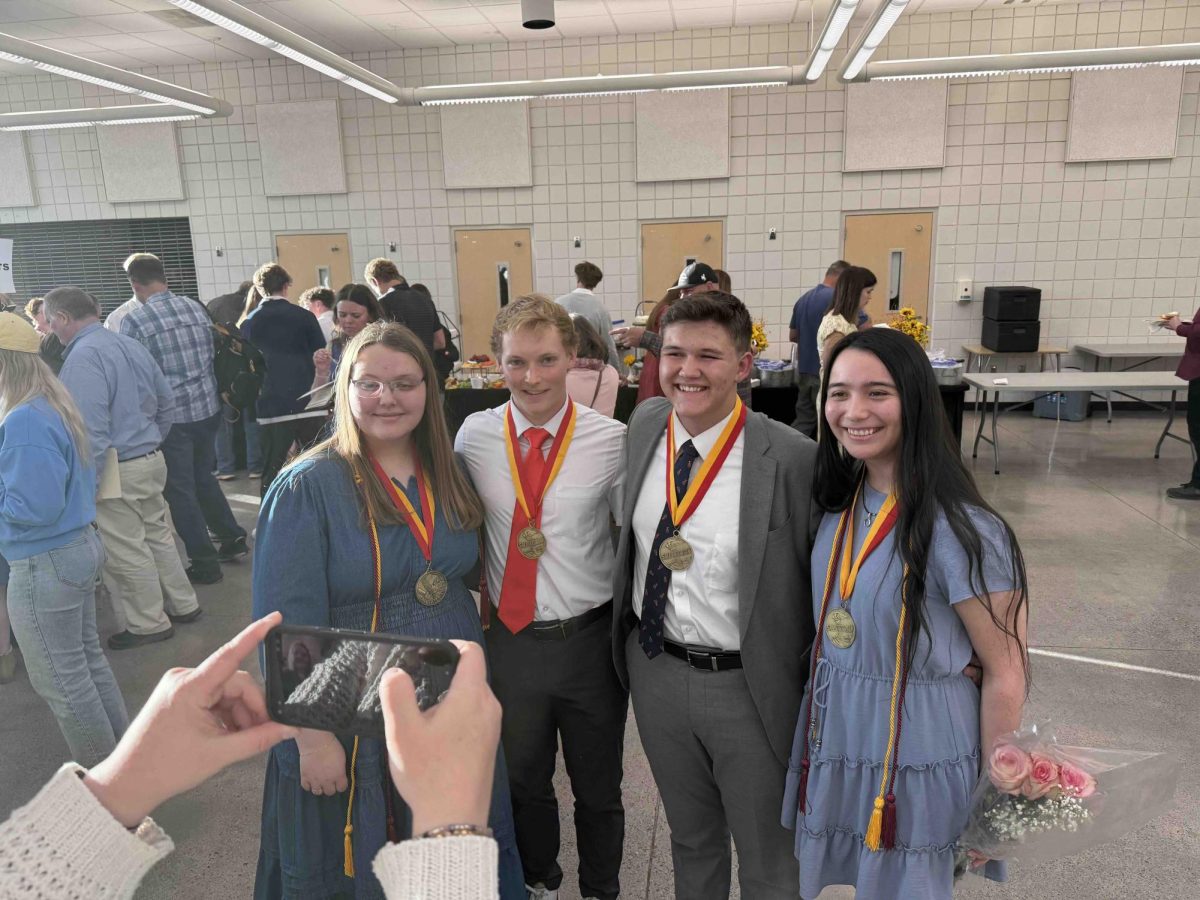
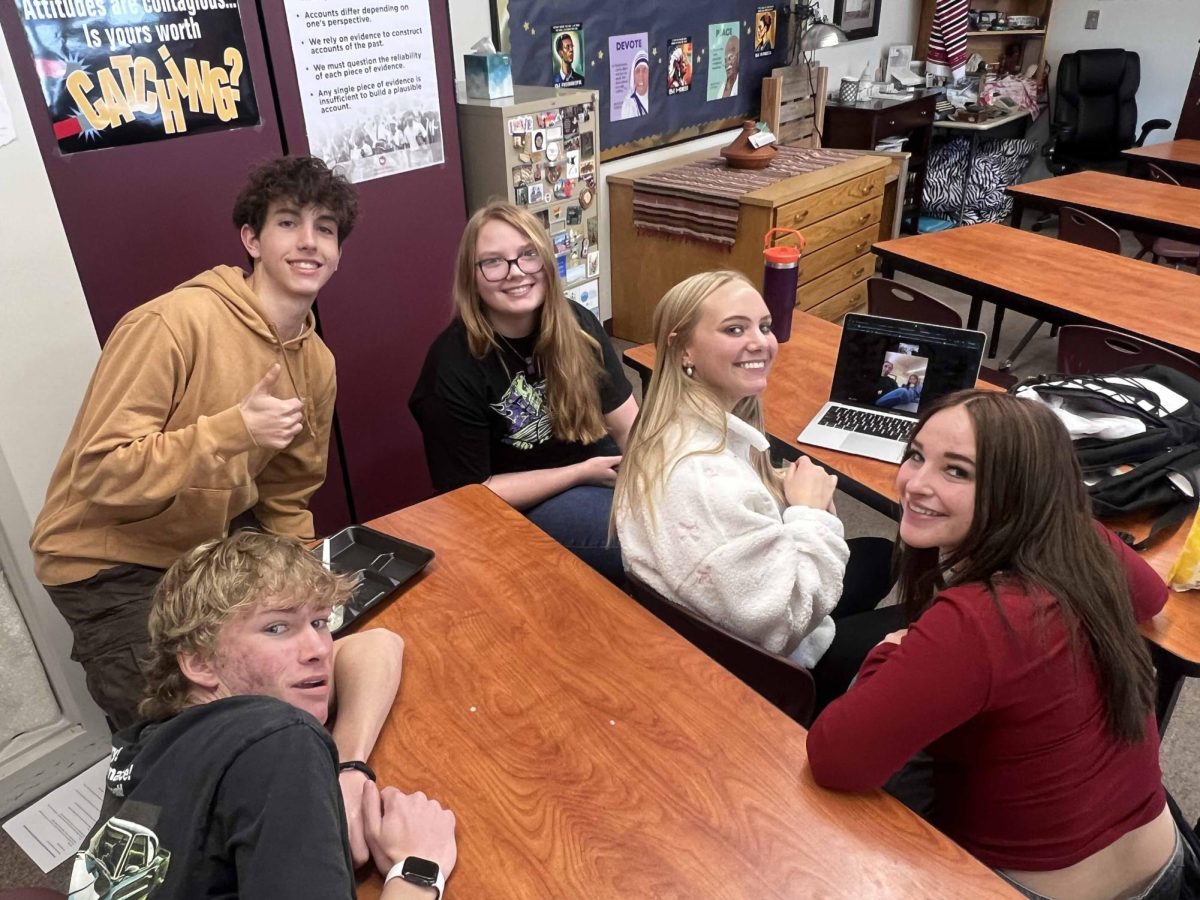
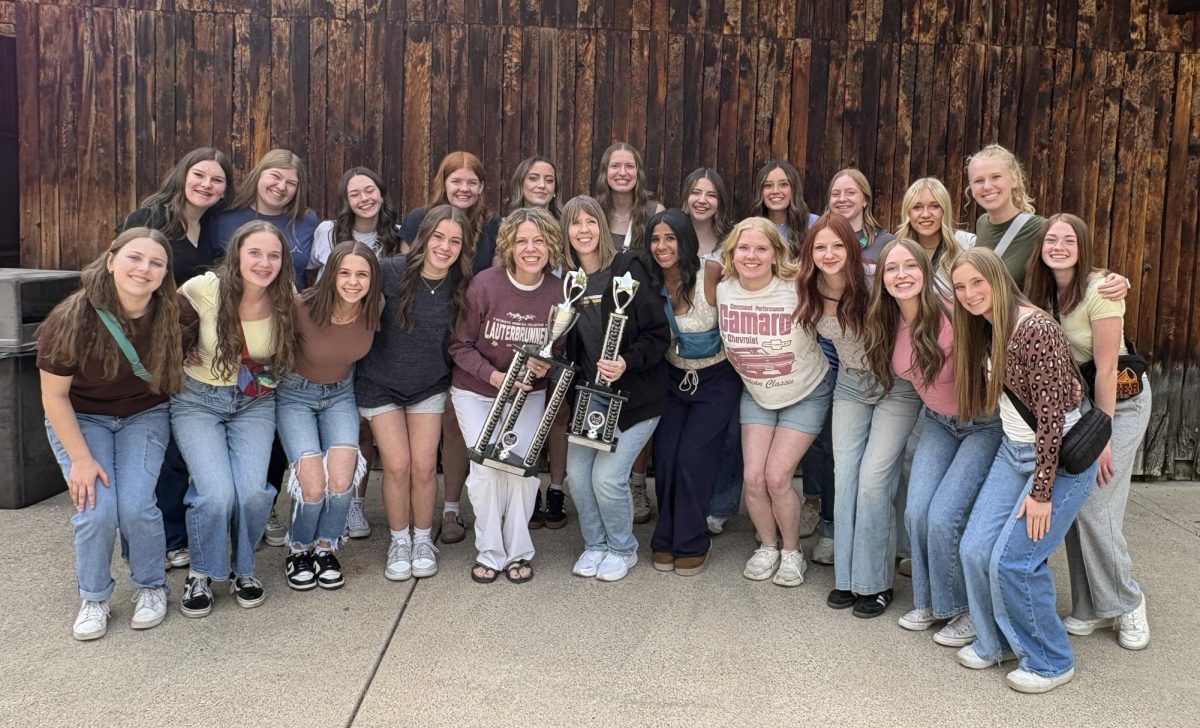
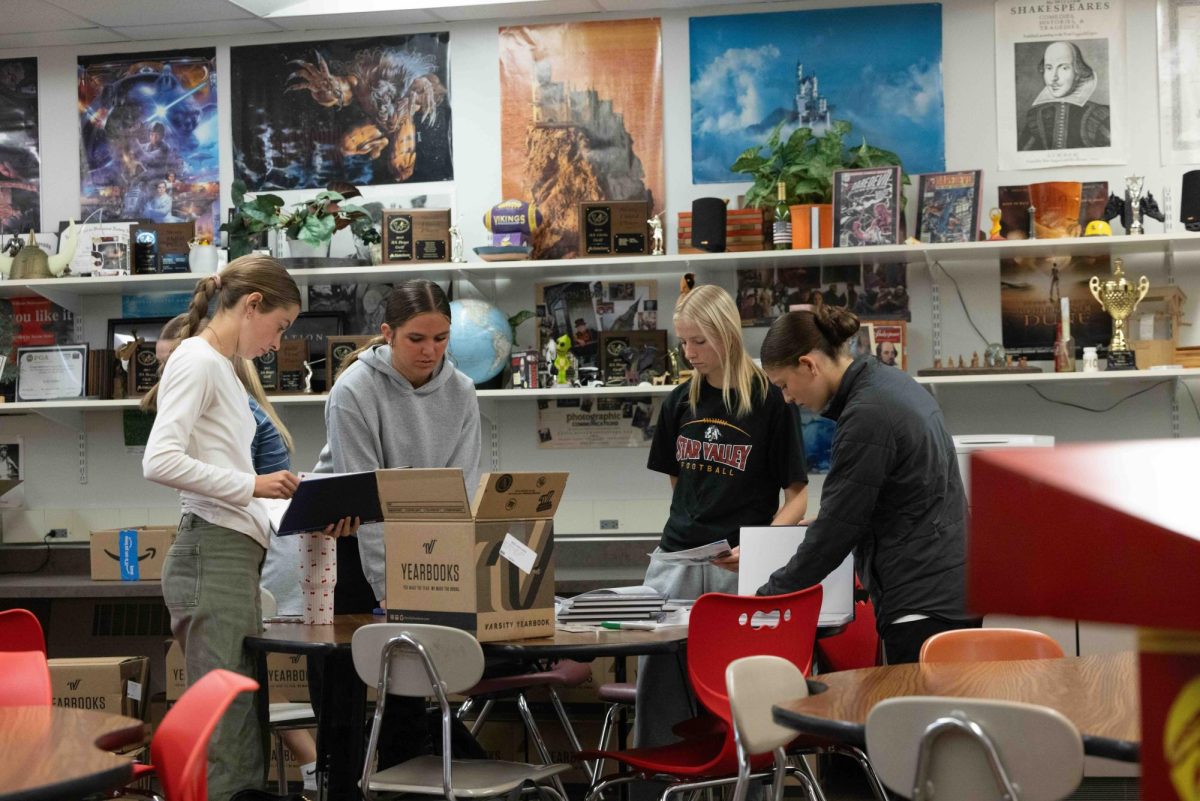






Students in the concurrent U.S. History classes at Star Valley High School recently participated in a nationwide project connected with the Smithsonian Institution and the America 250 initiative. Through letters, research projects, museum visits, and Zoom discussions, students explored how personal history and civic values shape both communities and the future of America.
The project centered around the theme “Civic Values and Me at America 250” and encouraged students to reflect on how their identities, family histories, and communities influence the values they hold today. Students worked alongside peers from Hawaii throughout the semester, exchanging letters, sharing digital projects, and meeting virtually three different times.
As part of the project, history teacher Ms. Stauffer also took students to the Star Valley Historical Society museums, where they studied historical artifacts connected to the valley’s history. Some students selected specific objects to research and used them to better understand the lives and experiences of people from the past.
The project included several activities from January through May. Students first mailed handwritten letters and personal photos introducing themselves to students in Hawaii. Later, they created digital travel brochures highlighting meaningful places in their communities and explaining how those places connect to civic values such as courage, responsibility, and perseverance.
Students said the project helped them see history in a more personal and meaningful way.
“I learned about how special a seemingly ordinary object can be,” Emry Kennington said. “Our object had a really rich history, and I’m so glad I got to know more about all the events and lives surrounding it.”
Another student, Slade McInnes, reflected on learning more about the community and the people in it.
“I learned a lot of personal details from people around stuff to do with our valley,” McInnes said. “It was also really cool to see how different people view aspects of the community and how we can all come together for a common good.”
The project also encouraged students to think about how perspective shapes historical interpretation.
The collaboration concluded with students creating interpreted videos that were uploaded and shared at the end of April, followed by a final celebration and discussion in May. Through the experience, students not only studied history, but also explored how their own stories connect to the larger American story as the country approaches its 250th anniversary.