




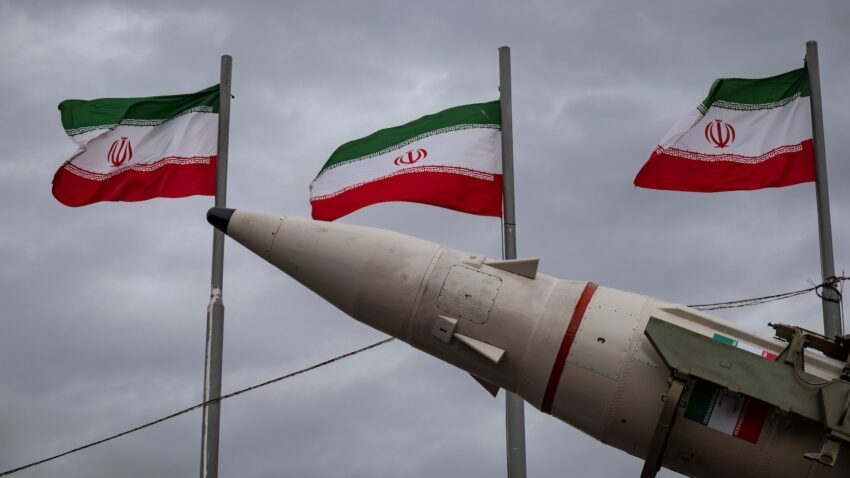










A major conflict involving United States and Iran has become one of the most serious international crises in recent history. Freshman William Erickson said, “I just think the war might go for a long time, and if we continue to strike Iran than one of these days they’re gonna strike us back.” The war, which began about seven to eight weeks ago, started after coordinated airstrikes by the United States and Israel targeted Iranian military, nuclear, and government sites.
These attacks marked a sharp escalation in tensions that had been building for years over Iran’s nuclear program and its growing influence in the Middle East. Mr. Lancaster explained that wars like this often begin with long-standing political conflict but can quickly grow into global issues because of alliances, military power, and economic connections between nations.
The conflict has taken place mainly in Iran and across parts of the Middle East, but its effects have been felt worldwide. Iran responded with missile and drone attacks against U.S. bases and allied targets in the region, increasing fears that the war could spread even further. Mr. Shumway added that understanding history is important because conflicts in the Middle East often have roots that stretch back decades, making peaceful solutions difficult but necessary.
Important shipping routes, including the Strait of Hormuz, have also been threatened, raising concerns about global oil prices, trade disruptions, and economic instability.
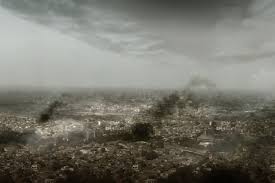
Many world leaders have called for peace talks, warning that continued fighting could lead to a larger regional war. Civilians in affected areas have faced fear, displacement, and damage to homes, schools, and hospitals. Star Valley student Stedson Romrell stated, “I’m not too worried about the war as long as it doesn’t effect my family and friends.”
As military operations continue, the world watches closely to see whether diplomacy can end the fighting before more lives are lost.