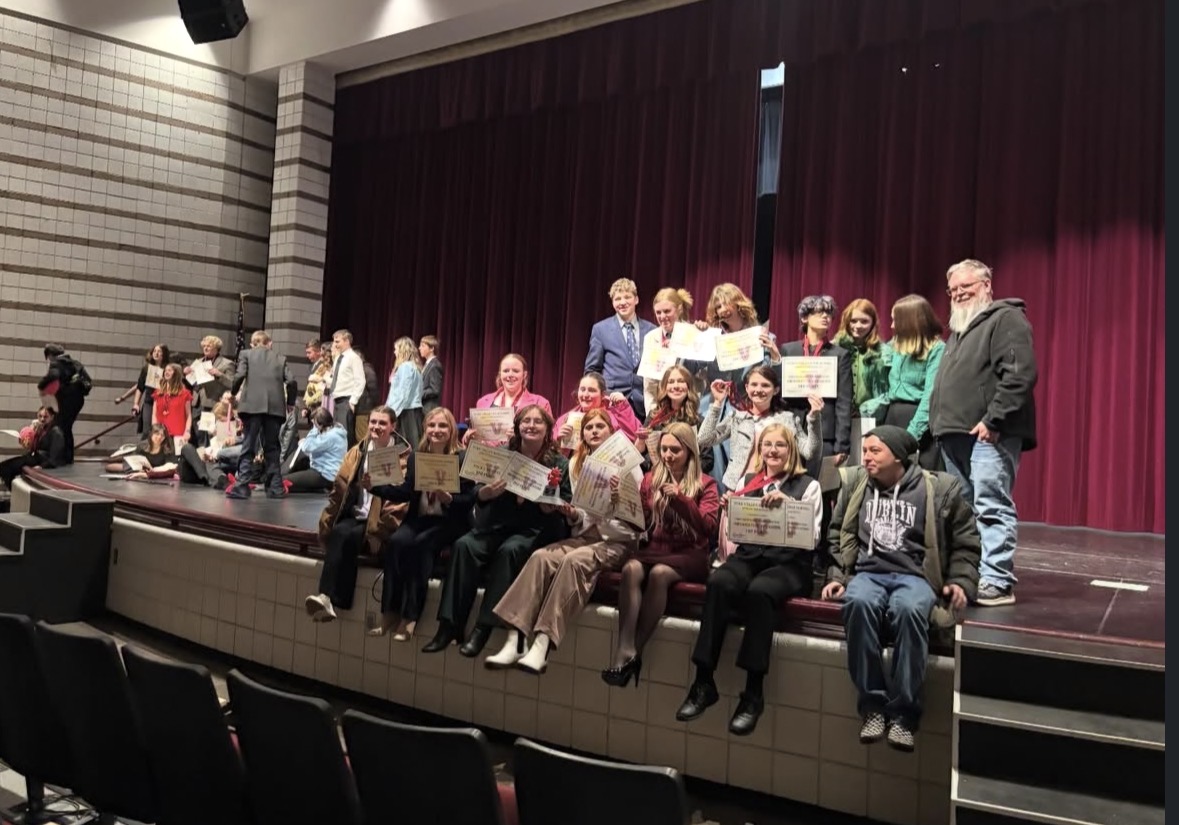

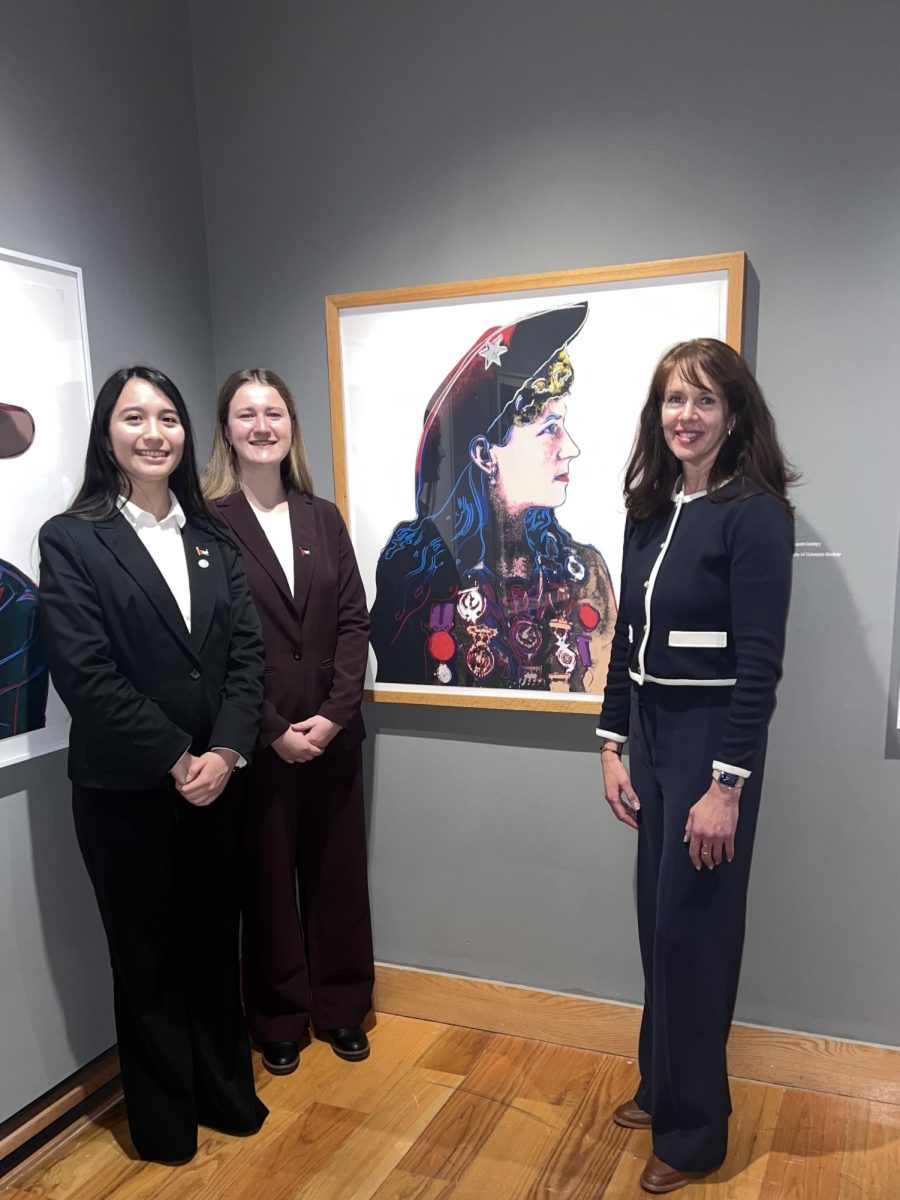









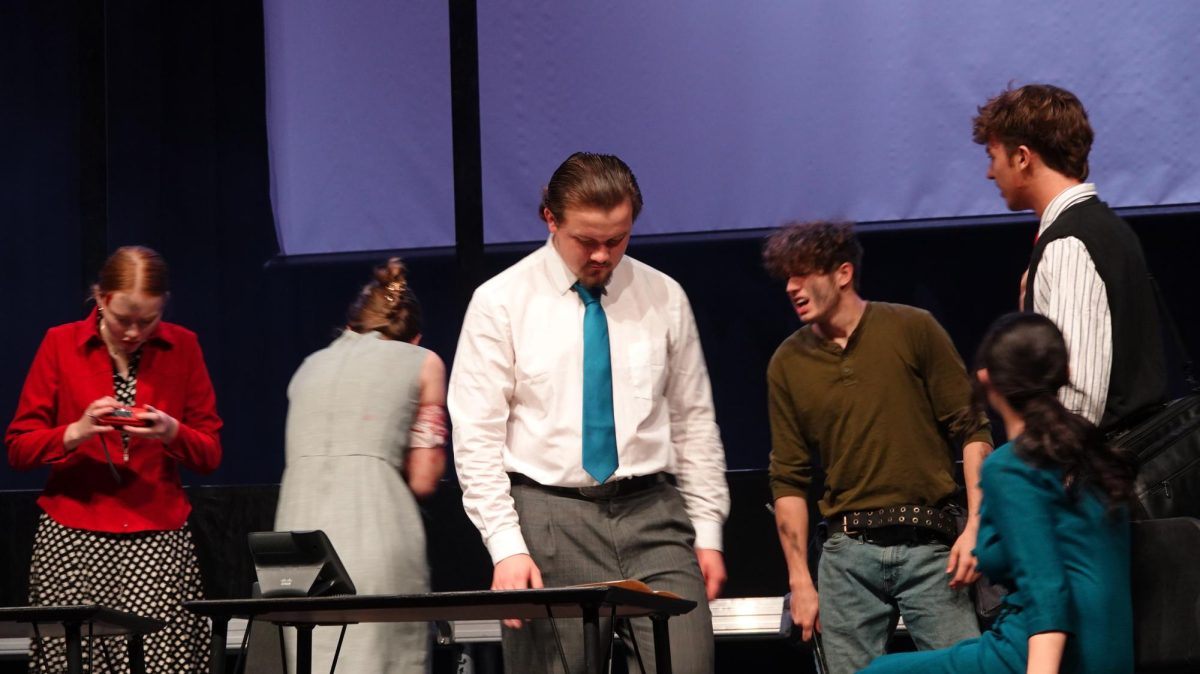


From February 12–14, 2026, two SVHS students, Anahi Barnes-Boch and Kate Ricks, had the unique opportunity to participate in Model Arab League at the University of Wyoming. This collegiate-style conference brings together students from across the country to debate and solve real-world issues affecting the Middle East and North Africa. For SVHS, this marked the first time its students have taken part in the program, making their experience both historic and inspiring.
Model Arab League is a simulation of the Arab League, a regional organization similar to the United Nations but focused on Arab countries. Students represent one of the 22 member states and must remain true to that country’s political positions while working with other delegates to draft and pass resolutions addressing real-world issues in the Middle East and North Africa region.
“This was the first time SVHS has had participants,” said Sharolyn Stauffer. “It was really a neat experience, and I was really proud of them.”
At the conference, Anahi and Kate represented the country of Jordan in the Palestinian Affairs Council. Each student assumed the role of a diplomat, requiring them to thoroughly research Jordan’s political positions, regional interests, and historical context. The preparation process was one of the most meaningful parts of the experience for Anahi.
“During the research portion, I got to understand more about the history behind the Palestine–Israel conflict, which I found really meaningful,” she said. “Before this, I didn’t realize how complicated the situation was or how much influence other countries have in it.”
Throughout four intensive sessions, delegates discussed pressing topics such as unifying Palestine to strengthen negotiations, addressing Palestinian hostages under Israeli custody, improving healthcare and infrastructure in the West Bank and Gaza Strip, and holding Israel accountable in supporting Palestinian justice. Students worked collaboratively to draft and pass resolutions, carefully balancing their assigned country’s national interests with regional goals.
Since Anahi and Kate represented Jordan, they had to be especially mindful of the country’s diplomatic and economic relationships. Jordan depends on Israel for key resources, meaning their resolutions could not threaten their own citizens’ stability.
“Since we represented Jordan, we had to balance supporting Palestinian justice while also protecting our own citizens and resources,” Anahi explained. “It was interesting to see how diplomacy is less about proving a point and more about building relationships and reaching consensus.”
One of the most rewarding aspects of the conference was the emphasis on collaboration rather than confrontation. Parliamentary procedure ensured that every delegate had an opportunity to speak, creating a respectful and structured environment. Even when disagreements arose, discussions remained constructive. The goal was not to “win” a debate, but to reach a consensus that reflected the interests of multiple nations.
Beyond the formal sessions, the experience in Laramie left a lasting impression. As first-time participants, Anahi and Kate were welcomed by patient and supportive delegates from other schools. The event provided not only academic growth but also confidence and a deeper understanding of global diplomacy.
For Anahi, the experience exceeded expectations. It deepened her understanding of global issues and demonstrated how diplomacy can be applied not only in international politics but also in everyday life — approaching difficult conversations with respect, collaboration, and a willingness to listen.