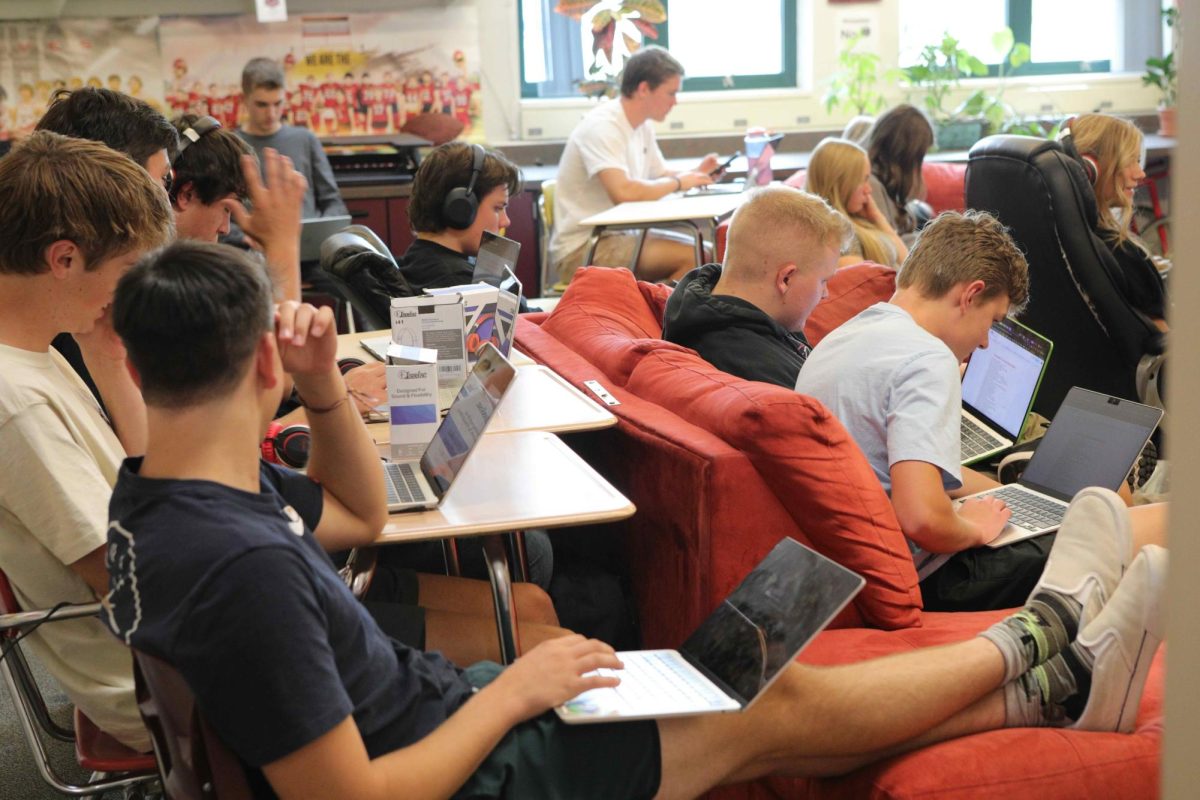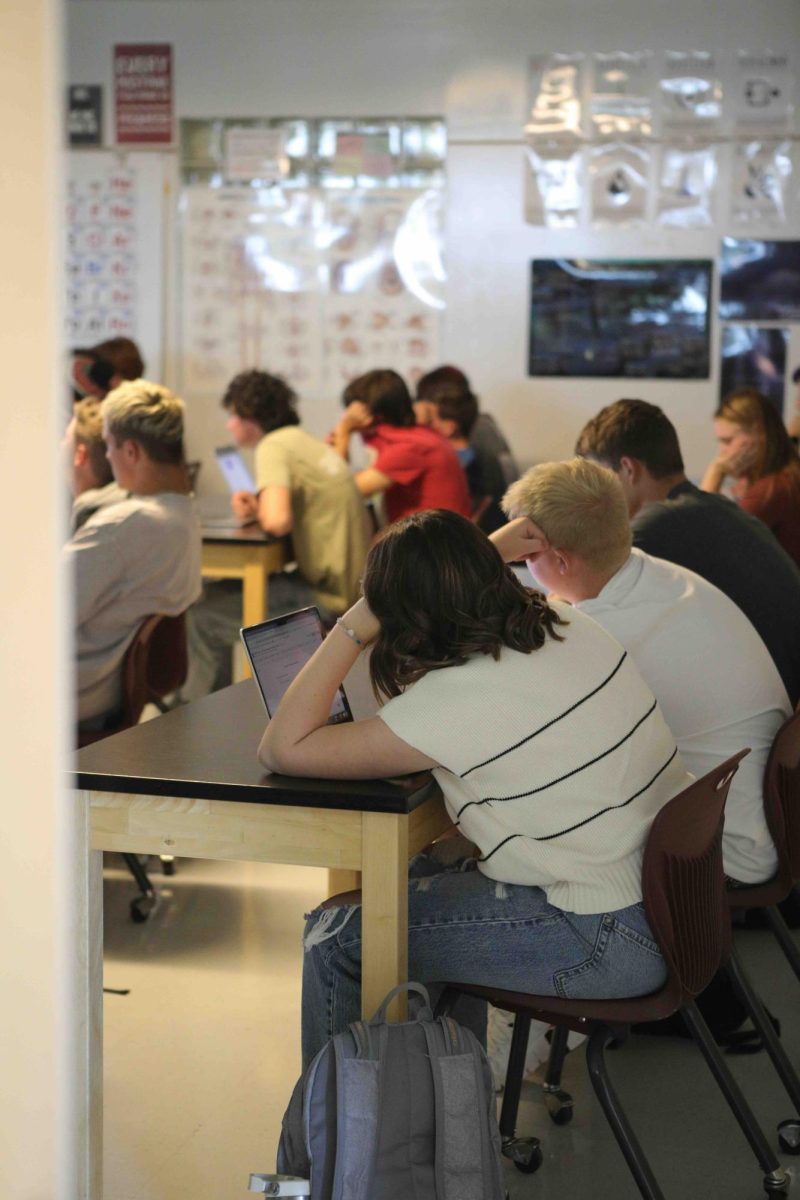




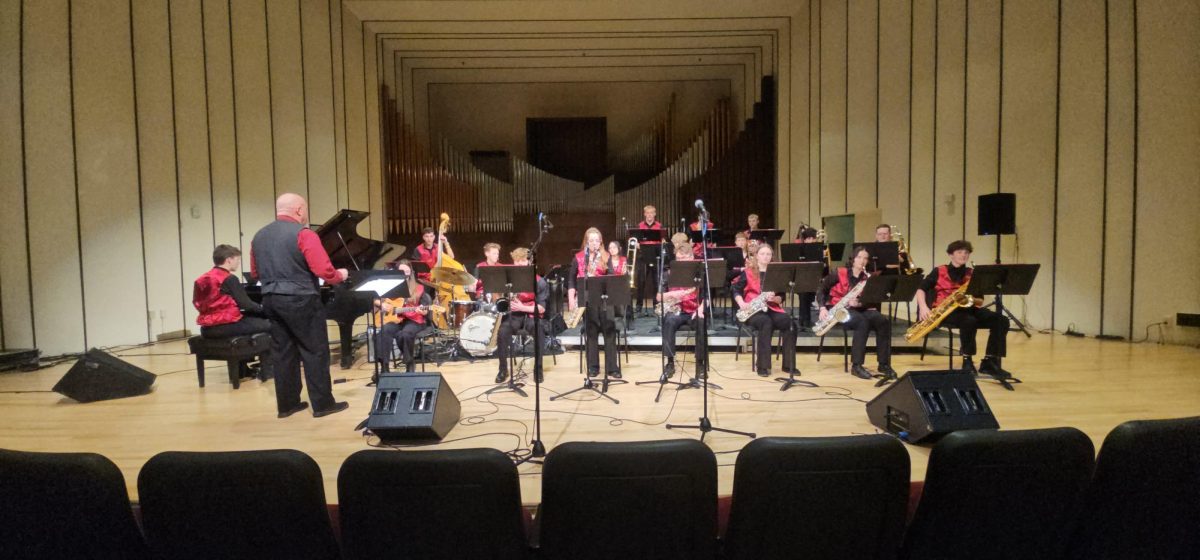



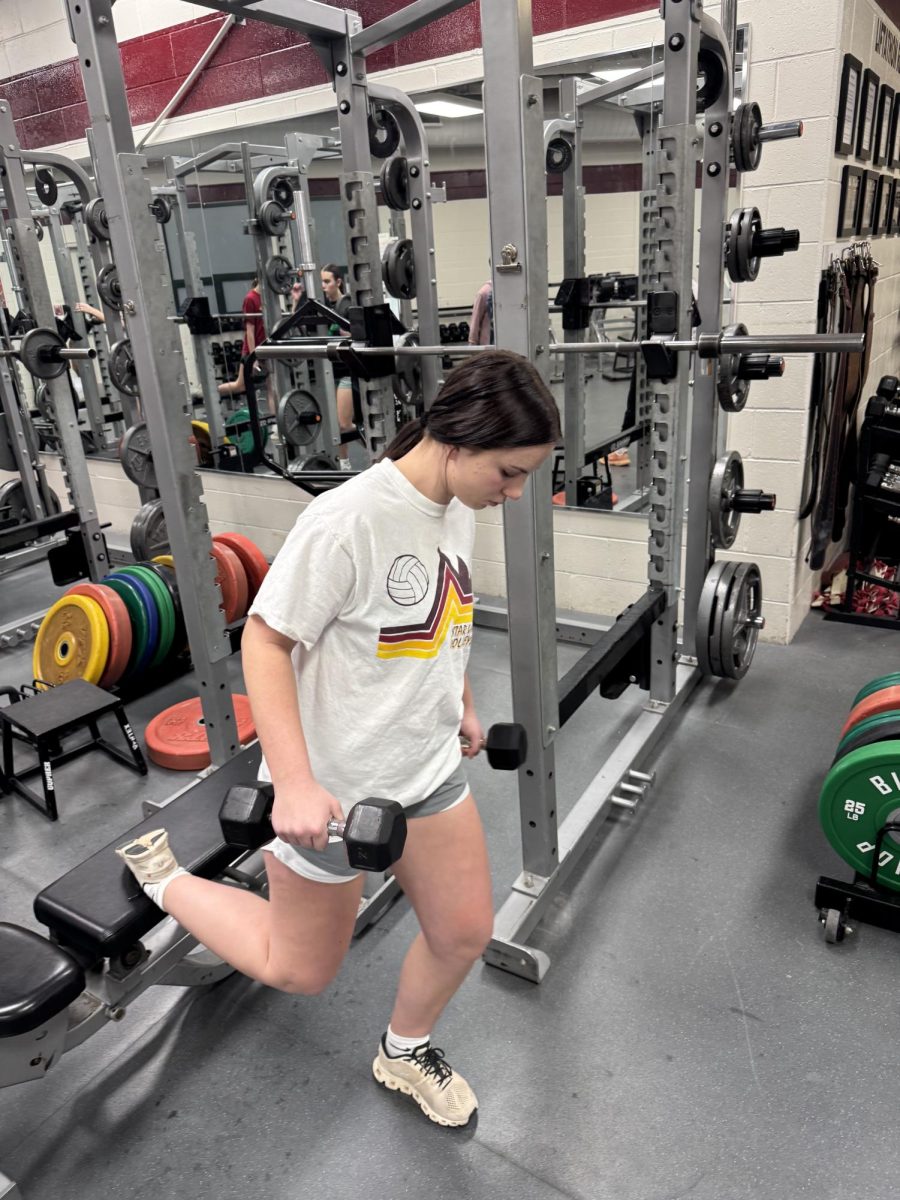

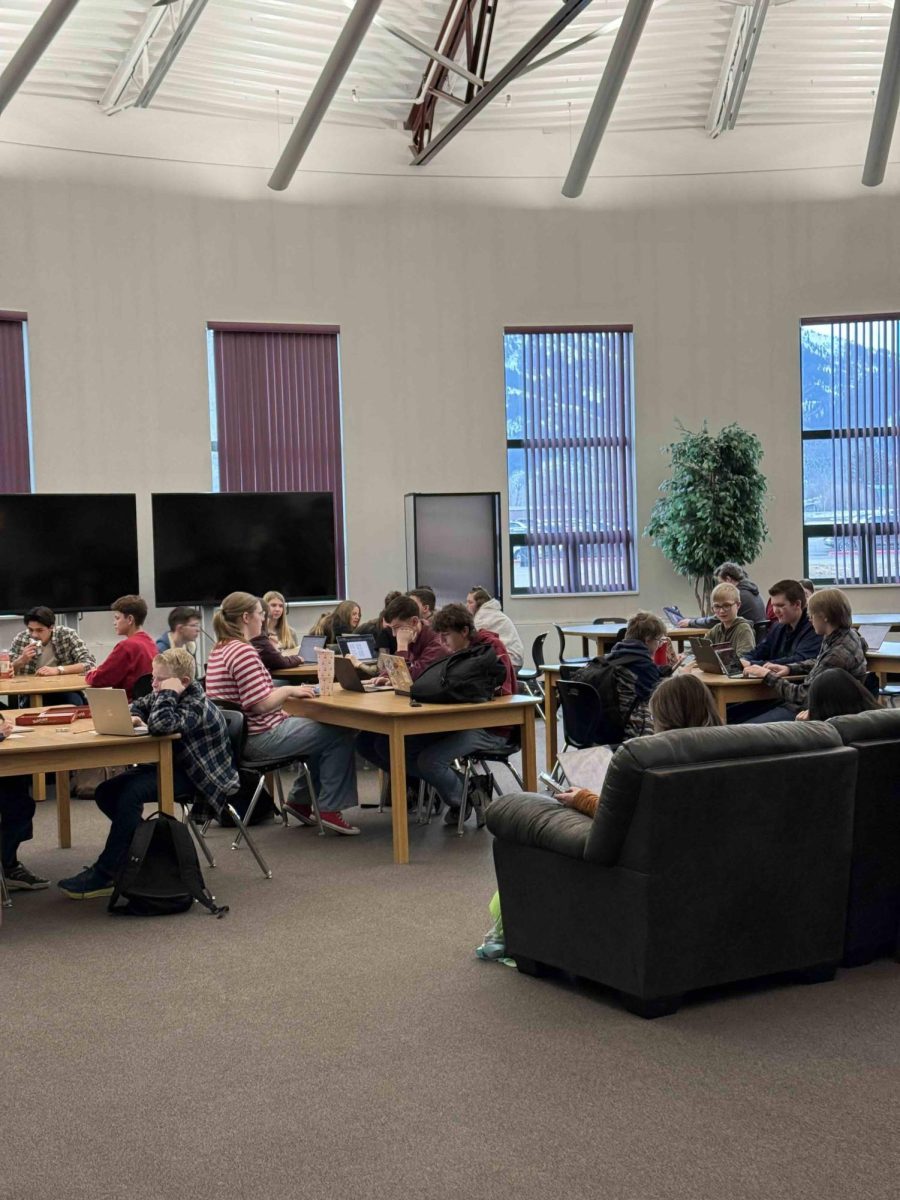


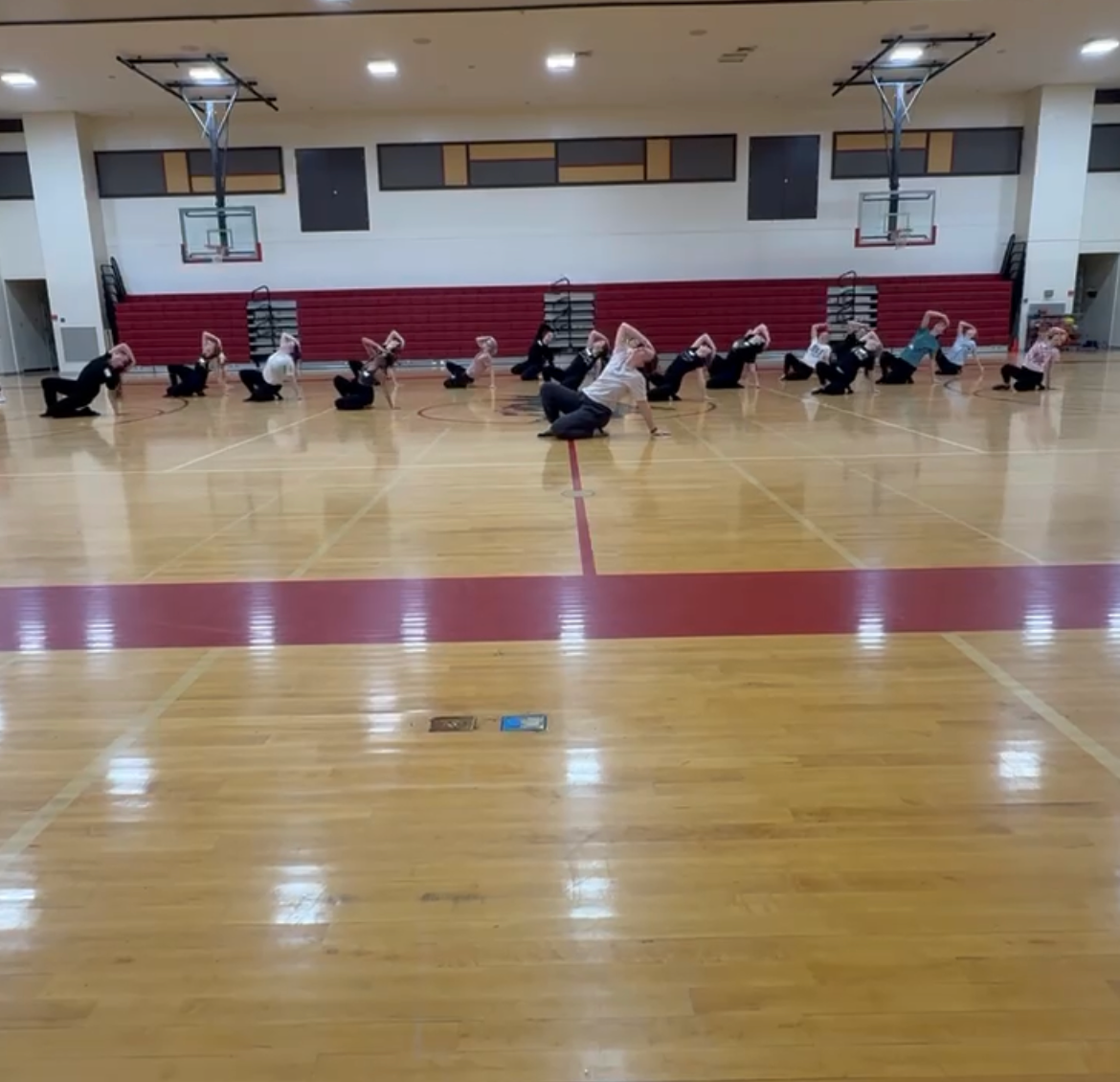












The final bell rings, but no one is actually done for the day. Some students head to practice. Others rush to club meetings or clock in for work. Backpacks are stuffed with homework that won’t get touched until late at night. For many students, being busy isn’t just part of life — it feels like the expectation.
High school has become a balancing act of academics, activities, and social life. While staying involved can be positive, the constant pressure to “do it all” can leave students exhausted.
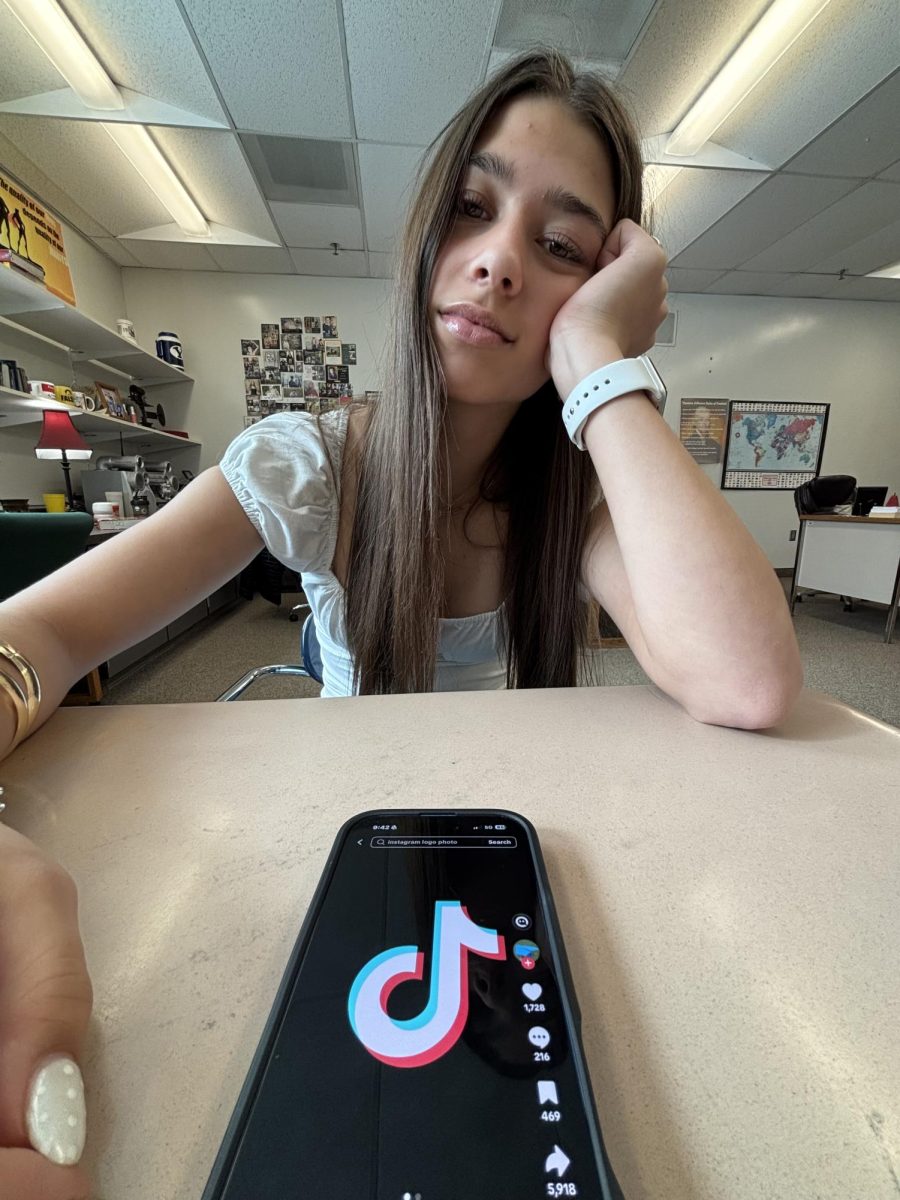
For sophomore Kiarra Swenson, busy is an understatement. She juggles five activities: Art Club, soccer, gym, a job, and chess club. When asked what a normal weekday looks like, she didn’t sugarcoat it. “I wake up and do stuff to get ready for school, dreading it the entire time. Each day I wish it were the weekend. Then I get a gajillion assignments a day.”
Kiarra admits she feels pressure to keep up. “I am expected to be a straight-A student. The pressure comes from everyone having high expectations of me.” At school, busyness is often mistaken for productivity. “Being busy is seen as productive,” she says.
Not every student experiences the same pressure, though. Esme Whicker, who previously swam but is not currently involved in activities, describes a simpler routine: “Get up, get ready for school, go to school, go home, chores, eat, workout, bed.” She says she doesn’t usually feel pressure unless her grades slip — and even then, staying busy helps her. “I’m usually calm when I have something to do.”
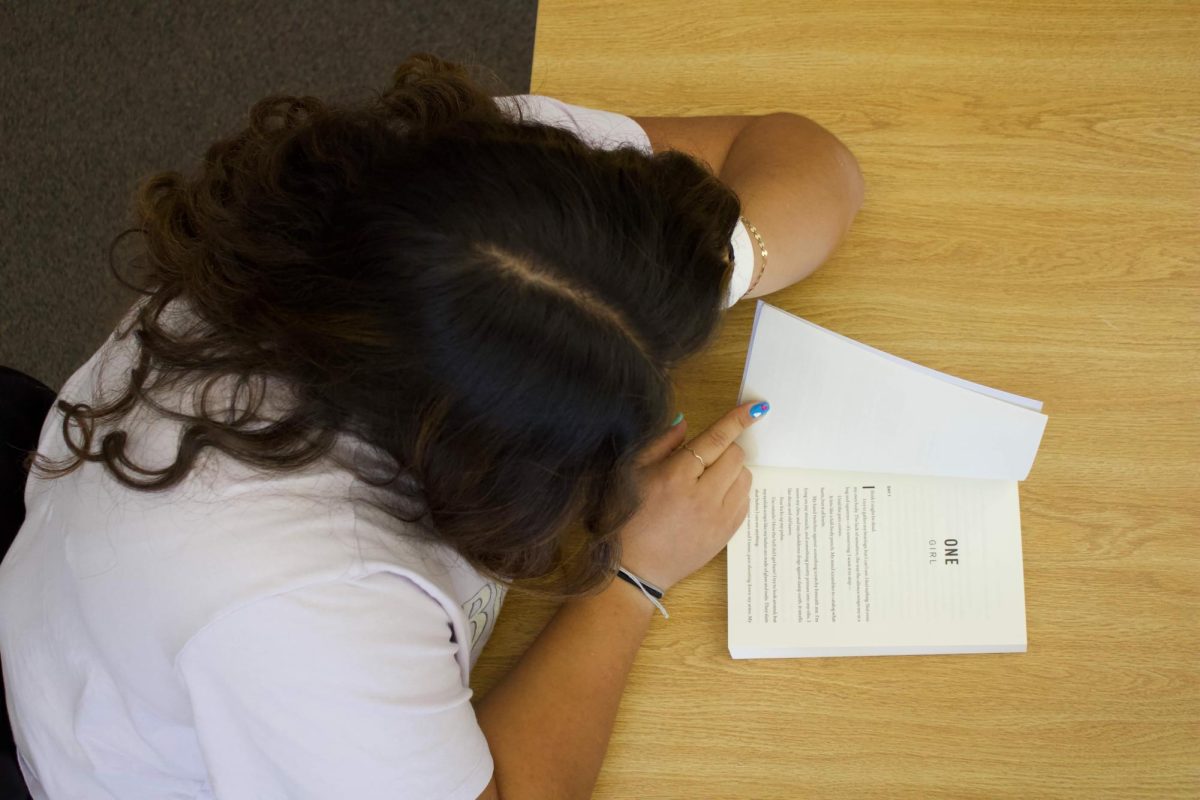
Teachers and staff notice the effects of packed schedules as well. Mrs. Best says that when students take on more than they can handle, culture is often a factor. “It’s the culture — they need constant stimulation,” she explains. When schedules become too tight, “they get overwhelmed.” She says the signs of burnout are clear: “Kids get emotional and sleep a lot.” Her advice is straightforward: “Take a breath. Focus on things that are most important, not stuff that doesn’t matter.”
School counselor Mr. Hale agrees that being overbooked can become a real problem. “It definitely can be an issue if you don’t have enough time,” he says. He notes that falling behind can spiral quickly. “If you can’t multitask, you get behind, and you give up and get depressed.” The solution, he says, is balance. “Both not being busy and being too busy — you have to find something to help you unwind.” He also reminds students that support is available through counselors and resources like the extended Tuesday mornings.
Students have their own ideas about what would help. Swenson said she’d prefer “only core classes with longer periods so I can focus.” Esme says she’d concentrate on completing “all the core classes I need to graduate.”
Being busy can build responsibility, time management, and leadership. But when busyness becomes overwhelming, it affects sleep, stress, and emotional well-being. Students are often told to work hard and stay involved — but they also need space to breathe.
Maybe success isn’t about doing everything. Maybe it’s about knowing what truly matters and giving yourself permission to slow down when you need to.