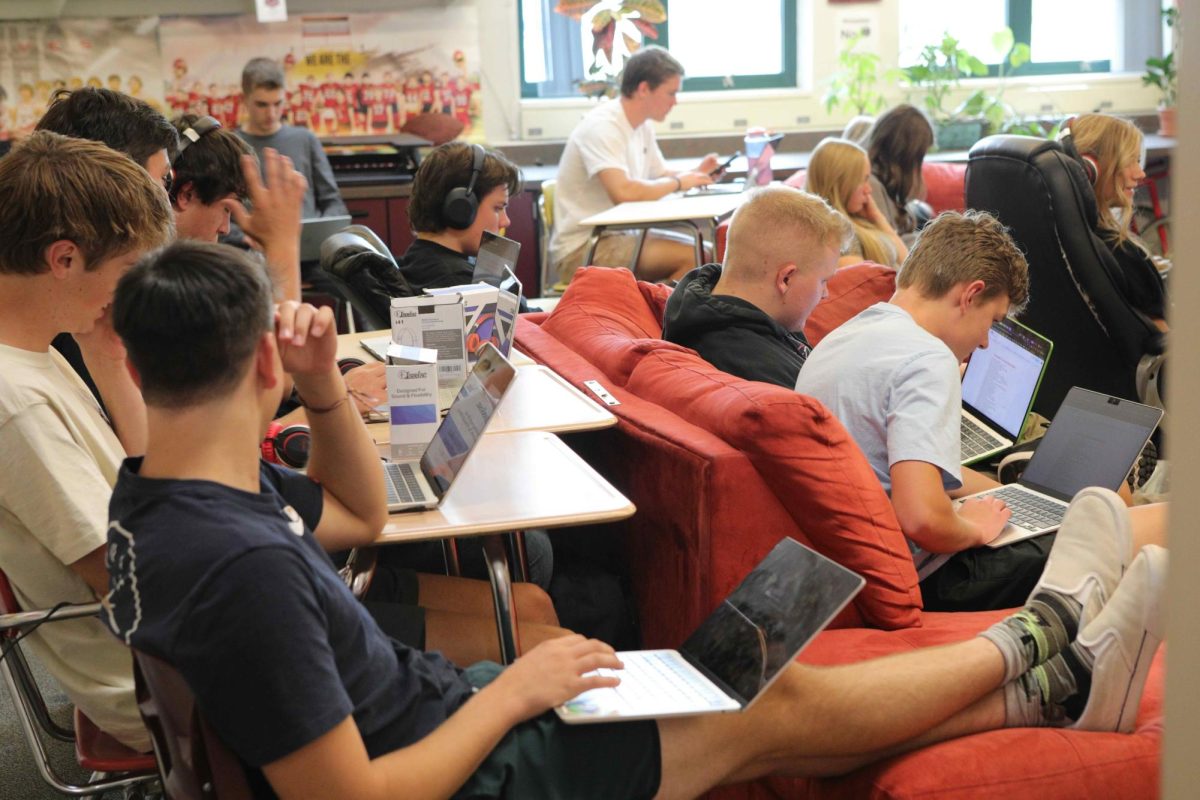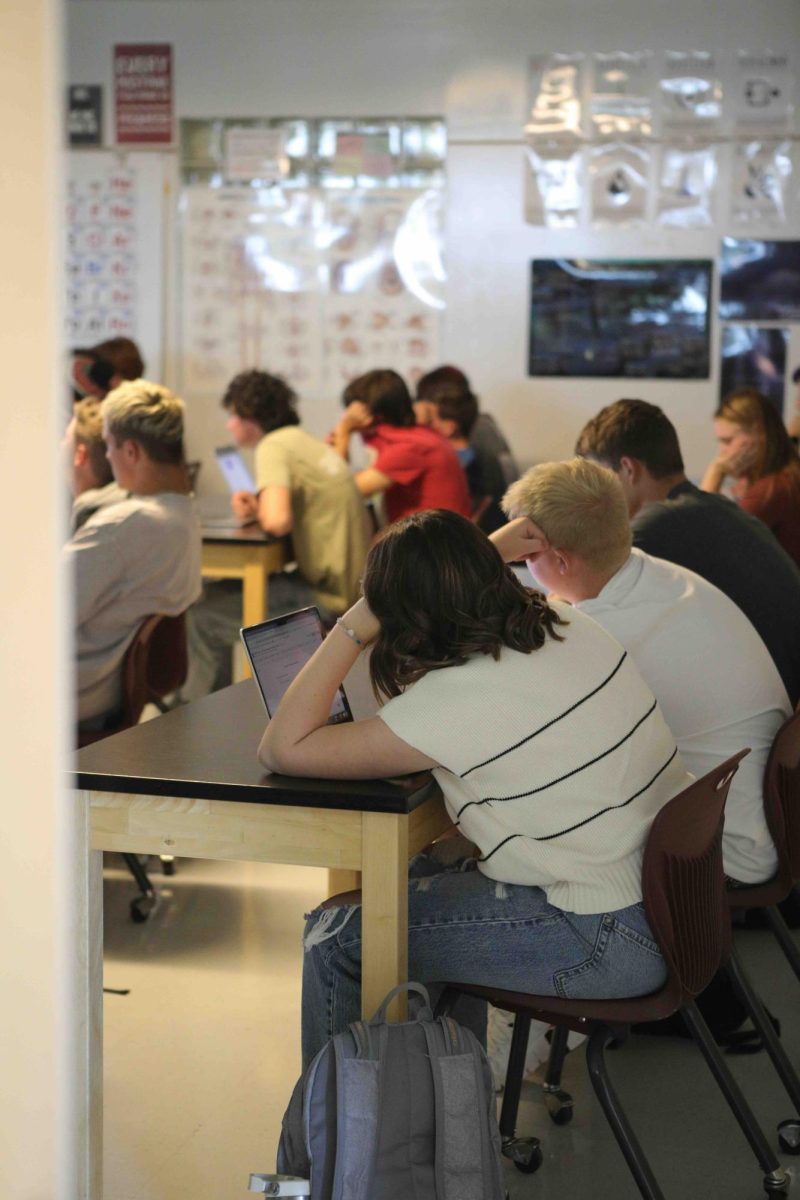










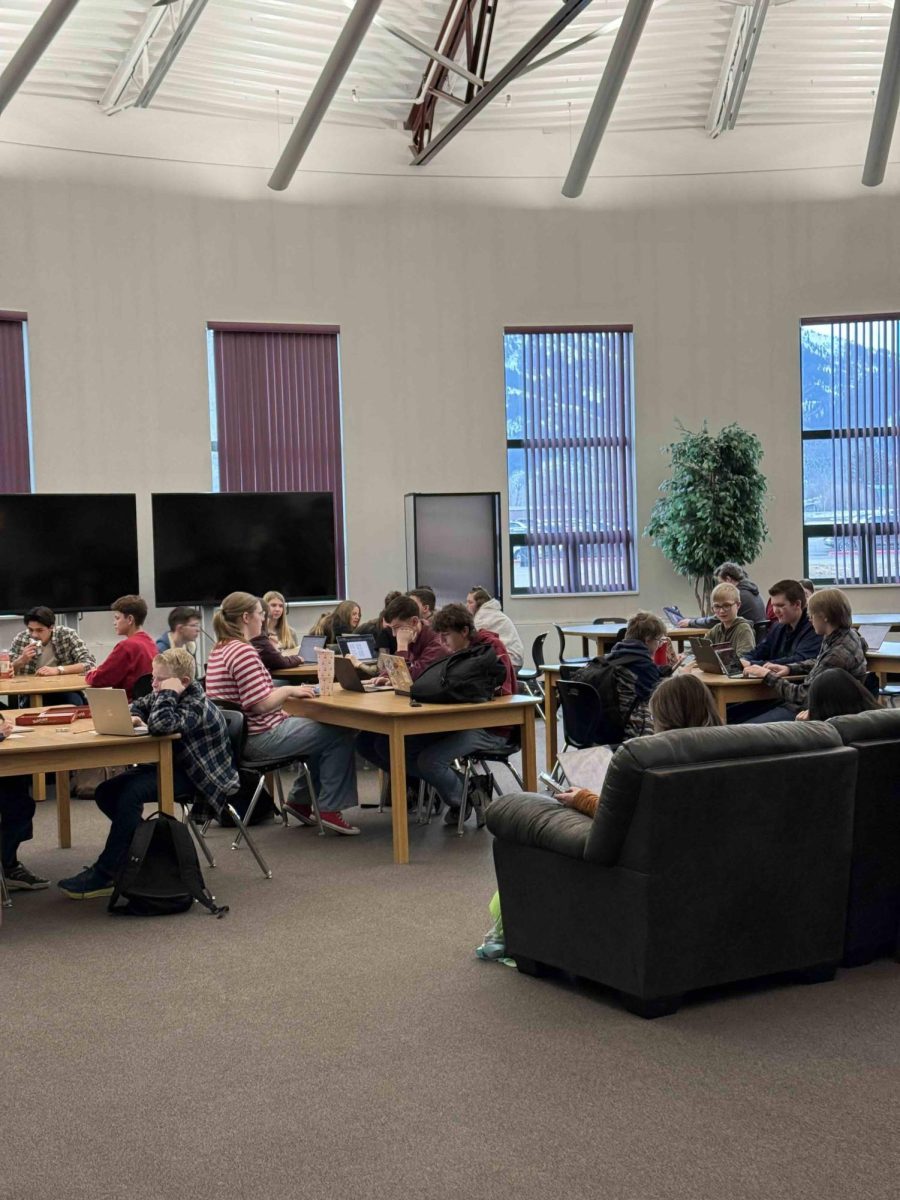

















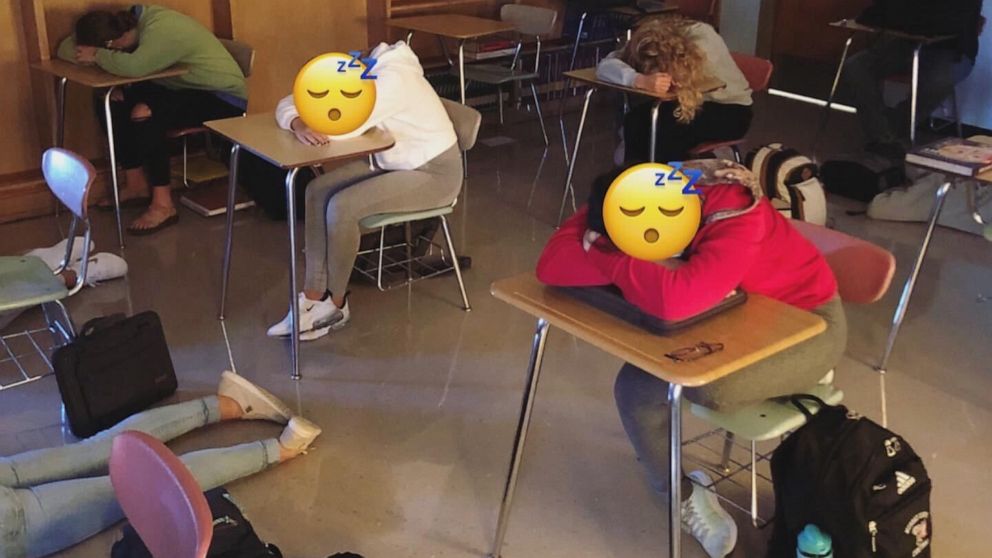
At 8:00 a.m., students shuffle through the hallways with energy drinks and tired eyes, trying to wake up before the first class. For many teens, exhaustion has become a normal part of the school day. Between late-night homework, early morning practices, part-time jobs, and hours spent on their phones, getting enough sleep has become a challenge for teens. For students at Star Valley HighSchool, constant tiredness isn’t just about staying up late — it’s affecting their focus, stress levels, and mental health.
Teachers at Star Valley say the impact of exhaustion is easy to see in the classroom. Mrs. Best notices how closely sleep deprivation and mental health are connected. “I see many students in my class that struggle with mental health issues like depression. There are many reasons these students are struggling whether that be school, work, home life, or their relationships. I would say at least 10–15% of students are struggling with their mental health,” she said. According to Mrs. Best, this struggle often shows up academically: “It makes them struggle during school, they don’t pay attention in class, their grades are bad, and they look tired.” When students are exhausted, learning becomes much harder.
Mr. Burton sees similar patterns in his classroom, especially when it comes to anxiety and falling behind. “While I am teaching I can see how much mental health affects students, most commonly I see depression and anxiety take place in my classroom,” he explained. He added that exhaustion makes students take mistakes personally and lose confidence. “Students stop focusing on their work and then it causes them to fall behind… to the point where they are five assignments behind.” As work piles up, stress increases, creating a cycle where anxiety and depression grow even stronger.
The school counselor, Mr. Hail, believes many students are simply doing too much at once. “Lots of students spread themselves thin, and we need to work on prioritizing what is important,” he said. Many students try to balance sports, friends, jobs, and challenging classes all at the same time. “They need to let a couple things go so they aren’t so exhausted.” Mr. Hail estimates that around 5–10% of students are significantly affected and emphasized that sleep and nutrition play a huge role. He also pointed out warning signs like students no longer enjoying things they used to, their minds working overtime, and withdrawing from friends.
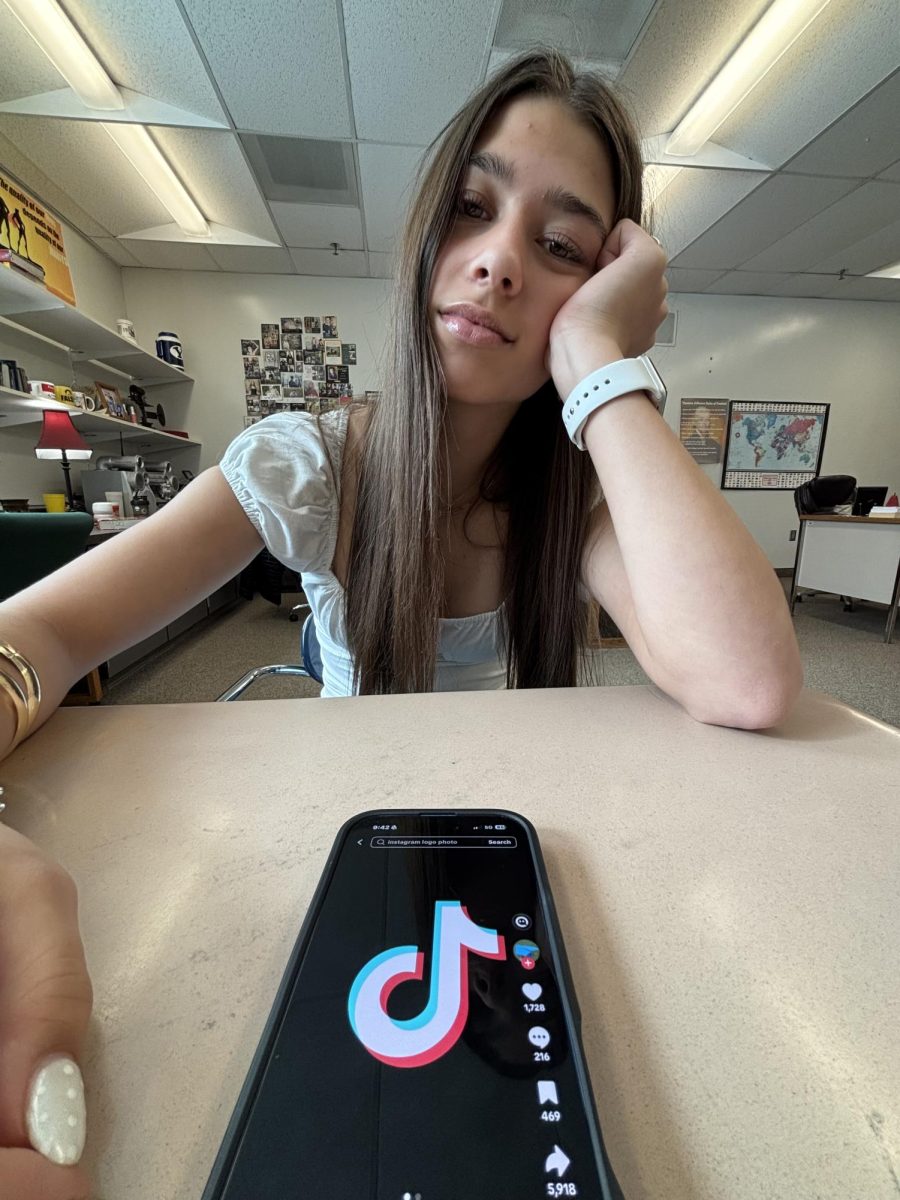
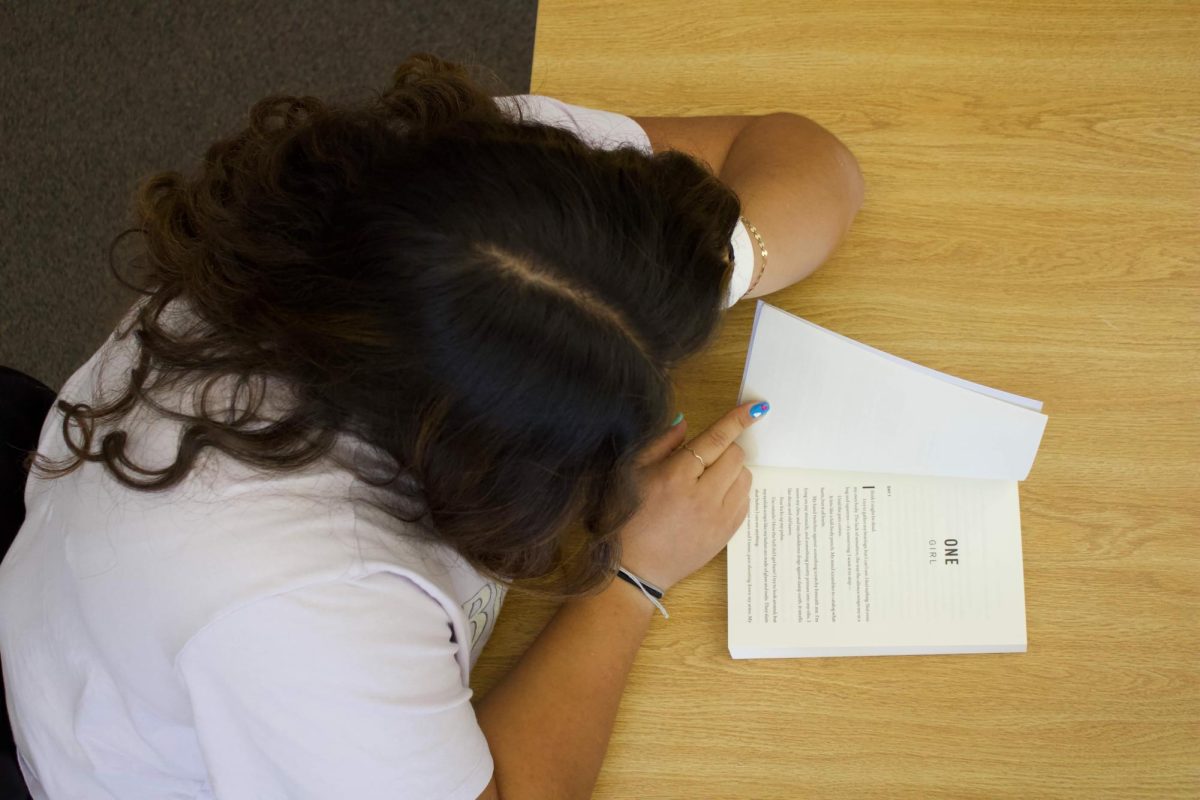
Students themselves say they feel the effects of exhaustion every day. When asked how much sleep they get on an average school night, Kiarra Swenson said she gets “6–8 hours,” while Esme Whicker said she only gets “5 hours.” Both students admitted that staying up late is common, whether it’s homework or time on their phones. Kiarra said reading on her phone keeps her up, while Esme said it’s “reading or homework.”
Being tired makes it harder for students to succeed during the day. Kiarra said exhaustion “makes it harder to do work and concentrate in class,” and Esme shared that she “can’t focus on work or get anything done.” Their moods also suffer. Kiarra said being tired impacts her “mood, stress, and motivation,” while Esme said she often feels “mad.” Kiarra also feels pressure to stay up late because she has “a lot of homework,” showing how academic demands contribute to the problem.
When asked what would help them get more sleep, Kiarra said “less homework,” while Esme mentioned “medicine.” Their answers highlight how different students struggle in different ways, but both point to the same issue: exhaustion is deeply affecting their daily lives.
Being tired has become more than just a teenage complaint—it’s a serious issue tied to mental health, stress, and academic success. As teachers, counselors, and students all agree, something needs to change. Whether it’s better time management, lighter workloads, or healthier habits, addressing student exhaustion could help students stop running on empty and start feeling more balanced, focused, and supported.